

Guide
Where to start
No cable is best for every system. This page narrows it down before you ask for a quote, so the conversation can get straight to the point.
By position
Every position is a different problem
The usual order of priority: power first, then speaker cable, then interconnect, and digital last.
03
Power
This is the first thing to change, and change it on the source before the power amplifier. Measure the distance to the outlet before picking a length.
04
Digital
Only worth changing once the rest is settled. The single priority is consistent impedance, including at the joint — not the conductor material.
Made to order
Length and termination
Every run is built to order. The available lengths and terminations are listed on each product page.
Need a different length? We build to the figure you give us, with no cutting surcharge.
Measure first: a run routed behind a rack usually needs 20–30 cm more than the visible distance.
Matched sets
Or take a whole set
Three ready pairings, all from one material family so the character does not fight itself between positions.
Before you decide
Trial, warranty, exchange
14 days at home
Take it to your own system. If it does not suit, return it as it came and we refund; you cover shipping both ways.
Lifetime warranty on the joints
A failed solder joint or a loose termination from our workmanship, we repair free of charge, with no time limit.
Re-waxing years later
Cloth sleeving dries out — that is normal. Send it back and we re-wax it and return it within a week.
Length exchange within 30 days
Mismeasured? One exchange, and you only cover the difference in material.
Common questions
The four we are asked most
- Does it need burning in?
- The cloth and the wax need a few days to settle mechanically. We promise nothing about sound during that time, and we do not ask you to wait before judging it.
- Is it directional?
- We mark the direction the braid was laid, purely so it goes back the same way if you unplug it. That is the only reason.
- How far do the numbers go?
- Far enough to rule out most wrong answers. Capacitance too high over a long interconnect, or an impedance mismatch on a digital run, is both audible and measurable. But two cables with the same figures can still feel different — and only a listening session in your own room settles that.
- How long does it take?
- Each run is built by hand, so usually 7–10 working days from the moment length and terminations are settled. A matched set takes a few days longer.
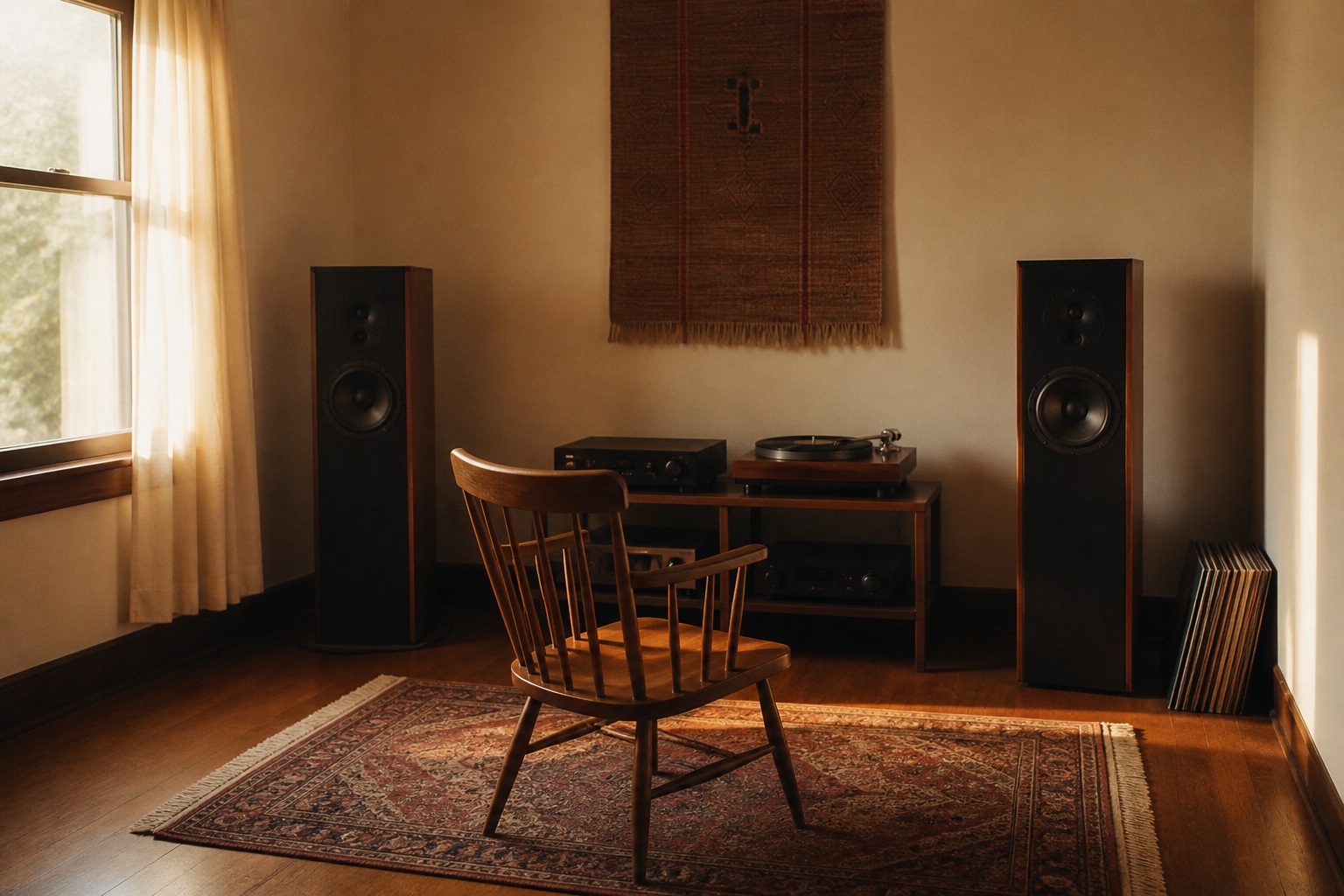
Listening room
Come and listen first
The room opens by appointment, one guest at a time. Bring your own records — and the cable you use now, so the comparison is direct.
Nothing is sold online — every order starts with a conversation.